








The Strait of Hormuz is closed to shipping. Qatar's energy minister -- who, not surprisingly, appears to be lobbying on the side of Iran -- is warning that the conflict to prevent it from gaining nuclear weapons could "bring down the economies of the world" and that Gulf nations might shut down their production of oil and gas. Meanwhile, intelligence sources say that Russia, perhaps trying to lure the US into a larger war, is providing Iran with the means to target American military forces in the region. Kudos to President Trump for refusing to take the bait.
If ever there was a case to be made for America's pursuit of unlimited energy through fusion power, it is this war and its global implications.
China is investing literally billions of dollars to master this technology. Fortunately, the Trump administration recognizes the enormous threat of being an "also ran" and appears committed to pursuing a breakthrough in this sector.
Additional progress came this past week as the U.S. Nuclear Regulatory Commission (NRC) published a draft rule regarding guidelines to handle the byproducts of fusion. It is the type of roadmap the American nuclear industry needs as they continue to put resources, time, and talent into unlocking this pollution-free energy source.
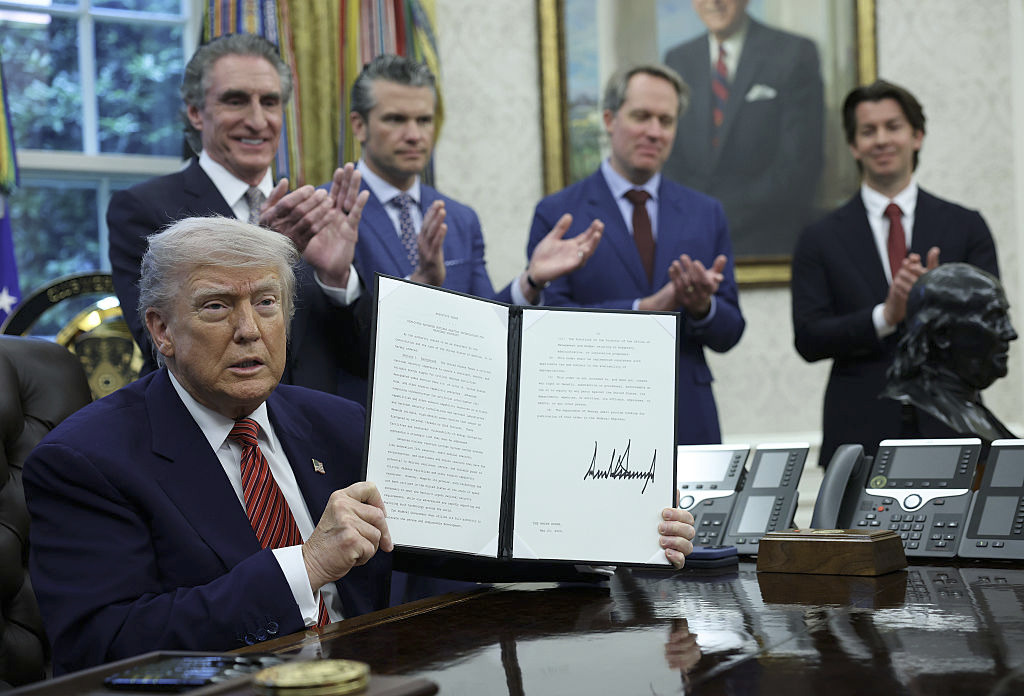
The enormous potential of nuclear fusion has the president's attention, and he is placing his Trump Media & Technology Group solidly into the fusion business with the announcement of a $6 billion merger with TAE Technologies, an energy research firm. Not surprisingly, that company counts Google among its major investors and partners: clearly, this corporate powerhouse appreciates the technology's importance.
The NRC has been a key player in this field. Last year it voted to place nuclear fusion devices under a less stringent framework than the more commonly used nuclear fission reactors, because fusion, unlike fission, does not create radioactive nuclear waste. If approvals and research continue on track, fusion researchers believe they can be generating commercial electric power for our nation within the next decade.
In the meantime, terror states such as Iran hope that if their military weapons cannot achieve their objectives, then shutting down supplies of oil and gas to the world might enable them to cower democracies into submission. Fortunately, America has the will, the vision, and now the leadership not only to defeat terror states but also the ability to break their energy chokehold on a world that seeks peace.
Lawrence Kadish serves on the Board of Governors of Gatestone Institute.